Commercial Waste in Blackheath
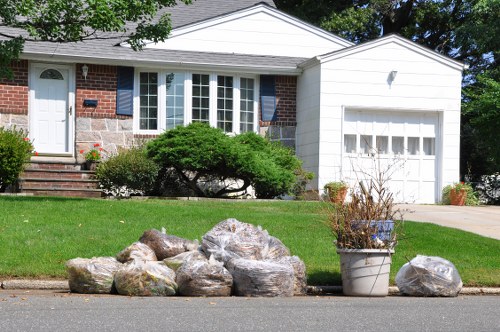
Commercial waste in Blackheath needs a straightforward service that can handle regular business rubbish, occasional clear-outs and the mixed materials that build up during day-to-day trading. We provide a practical collection service for businesses that want waste removed in an orderly way, with clear sorting and a focus on keeping the process simple for offices, shops, hospitality venues and other commercial premises. The aim is to help you clear space, stay organised and arrange the right kind of removal for the waste you actually produce.
Our work covers a range of commercial waste removal needs, from general office waste and packaging to bulkier items that need careful handling. Where items can be separated for recycling, that approach helps keep disposal efficient and may reduce what ends up as residual waste. For many customers, the main benefit is having one service that can deal with mixed commercial rubbish without making the job more complicated than it needs to be.
For a clear quotation, it helps to know what kind of waste you have and how much needs collecting. Prepare a simple description of the items, note any awkward access and mention whether the waste is in a single area or spread across the premises. You can also use our pricing information at pricing and quotes if you want to understand the structure before you ask for a tailored price.
General Commercial Rubbish Collection
General business waste often includes cardboard, packaging, desk waste, outgrown stock, broken fixtures and the kind of mixed materials that gather after routine trading or a tidy-up. We collect these items in a way that suits the premises, whether the waste is coming from a rear store room, an office floor or a shared service area. The emphasis is on removing the load efficiently while keeping the process suitable for a working commercial environment.
Different materials need different handling decisions. Cardboard and paper are usually easier to separate from heavier or less recyclable items, while plastic wrap, mixed packaging and damaged equipment can need a more careful sort. If you are planning a collection, it helps to consider whether some items should stay with other site waste streams and whether there are materials that require special treatment. If you need a broader overview of what we handle, our waste removal page gives a useful starting point.
The main practical choice is whether you need an occasional collection or something more routine. Some businesses want a one-off visit after a relocation, fit-out or stock change; others simply need waste taken away when it starts to interfere with storage or presentation. Either way, the service should match the volume, access and timing of your site, rather than forcing you into a one-size-fits-all approach.
Office and Workplace Waste

Office waste removal can include paper, files, shelving, broken chairs, surplus desks and outdated equipment that is no longer needed in the workplace. It may also include items from refurbishment work, such as packaging, fittings and dismantled furniture. We help businesses clear this kind of material in a controlled way so that essential areas remain usable and the disposal process does not disrupt normal activity more than necessary.
When office waste is part of the load, it is often sensible to separate recyclable paper and cardboard from denser items such as furniture, metal frames and electrical equipment. That approach can make the collection easier to plan and may help reduce unnecessary waste mixing. If your office clearance includes confidential material, our confidential shredding page is available for businesses that need a separate shredding service rather than general disposal.
Workplace collections are usually easiest when the waste is grouped and access routes are clear. A short list of the main item types can be enough to let us plan the job properly, especially where the load includes both loose materials and larger objects. Useful details include:
- the approximate amount of waste
- whether any items are heavy or awkward to move
- if the collection point is on a ground floor or upstairs
- whether the job is linked to a move, refit or routine clearance
Furniture and Fixture Disposal
Businesses often need to dispose of furniture that is no longer suitable for use, such as desks, meeting tables, seating, storage units and reception items. We also handle related fixture disposal where commercial premises are being updated or reorganised. This type of removal is usually about careful lifting, sensible route planning and making sure the space is left ready for the next stage of work.
If your job involves bulky or awkward items, the collection plan should reflect the size, weight and condition of the furniture. Flat-pack pieces, modular office furniture and larger one-piece items can all need different handling methods. A service such as furniture clearance may be useful where the main task is removing several items together, while furniture disposal is relevant if you need a straightforward end-of-life route for a smaller selection of pieces.
For customers comparing options, it is worth separating furniture removal from general rubbish. Furniture can take more time to move and may require different sorting once it is collected. Good preparation means knowing what is staying on site, what can be dismantled in advance and whether any items are attached to walls, flooring or other fittings. That information helps keep the visit efficient without creating unnecessary disruption.
Builders Waste and Refurbishment Debris
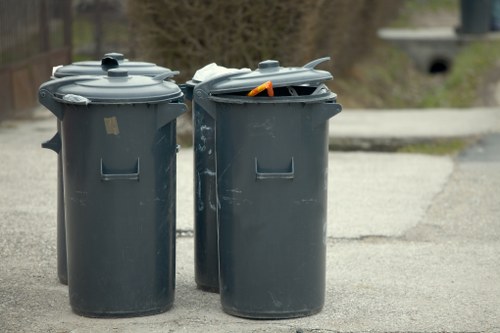
Commercial premises often generate builders waste during fit-outs, repairs and refurbishment work. That may include timber offcuts, plasterboard, packaging, old fixtures, tiles, broken fittings and mixed debris from light construction activity. We provide a waste collection option for this type of material when you need it removed from a business site rather than left piled up between trades or at the end of a project.
Builders waste needs careful sorting because some materials are easier to recycle or process than others. Timber, metal, cardboard and inert rubble may be handled differently, while plasterboard or mixed debris can require separate consideration. If your load comes from a shop refit, office update or other commercial improvement, our builders waste clearance page describes this service area in more detail. It is also wise to check the materials in advance so that a collection can be organised around the actual waste mix rather than a rough guess.
For this type of job, the most useful decision is often whether the waste is already bagged, stacked or still spread through the workspace. Loose debris can take longer to gather, while tidy piles and grouped items are easier to remove. Where access is shared with customers or staff, timing can also matter. A sensible collection plan keeps the site workable and avoids storing building waste any longer than necessary.
Warehouse, Stockroom and Clearance Waste
Commercial waste is not limited to desks and packaging. Many businesses also need help with stockroom clear-outs, damaged inventory, old display materials, obsolete storage units and mixed waste from back-of-house areas. These jobs can be awkward because the items are often varied and may have been stored for a long time, so a careful approach helps keep the removal organised from the start.
Where the waste includes shelving, pallet wrap, containers or mixed retail and storage rubbish, the collection may need a blend of general disposal and item-specific handling. Some businesses also prefer to separate reusable materials from waste that must be taken away. If you need a broader service that covers different commercial premises and back areas, our business waste removal page is a useful internal reference. The main point is to match the collection to the mix of items, rather than forcing every load into the same category.
In practical terms, stockroom and clearance waste often works best when a business identifies the main groups in advance. That might mean one pile of cardboard, one of broken items and one of bulky units. Clear grouping can make the collection faster and can also help when deciding what should be recycled, dismantled or moved as a complete item. The result is a neater clearance with less uncertainty on the day.
Waste for Shops, Hospitality and Customer-Facing Sites

Shops, cafés, restaurants and other customer-facing sites tend to produce waste that is both visible and time-sensitive. Packaging, broken display pieces, kitchen-related rubbish, storage overflow and worn furniture can all affect how the premises look and function. We provide commercial waste collection that helps remove these items without making the site harder to keep presentable or workable.
These premises often need sensible scheduling rather than complex arrangements. Waste may need moving from a back room, service yard or basement rather than from the customer area itself, and that means access is an important part of the planning. If bulky items are involved, you may also need to think about whether anything should be dismantled before collection. For places that need a broader end-to-end clear-out, office clearance and home clearance can help show how different clearance types are described across the site, although the actual service required should still be chosen to fit the premises.
When arranging this sort of collection, it is useful to consider how the waste is stored before it leaves the site. Bagged waste, stacked furniture and grouped packaging are usually easier to remove than scattered items. That said, the purpose of the service is to handle the load as it exists, not to demand perfect preparation. A clear description of the space and a sensible collection plan are usually enough to get the job moving.
Special Items and Separately Handled Waste
Some commercial waste needs a more careful decision before collection. Fridges, appliances, mattresses, sofas and certain other bulky items may not be suitable for the same handling process as general rubbish. If your premises includes appliances or larger domestic-style furnishings from staff areas, fitted accommodation or mixed-use property, the collection should be planned around the exact items rather than described too broadly.
Where special items are part of the load, it is worth checking whether they need to be kept separate from ordinary waste. The collection method may differ depending on the material, size and condition of the item. For appliance-related removals, the fridge and appliance removal page is relevant, while larger soft furnishings can be explored through mattress and sofa disposal. This helps ensure that the correct service is chosen for the item type instead of assuming everything can be removed in the same way.
Special waste planning is mostly about accuracy. If a load contains a mixture of general rubbish and item-specific objects, describe both clearly so that the collection can be arranged in a sensible order. That avoids surprises and makes it easier to decide what can be taken together and what should be handled as a separate stream. A careful description is usually the simplest way to keep the collection efficient.
About Blackheath
Blackheath is an area in south-east London known for its large open heath, strong village character and long historical associations. The heath itself is one of the defining landscape features of the district, offering a broad expanse of open grassland that contrasts with the surrounding urban fabric. Blackheath sits on higher ground, and its name is closely associated with that open space rather than with a single high street or enclosed centre. The area is shared between the Royal Borough of Greenwich and the London Borough of Lewisham, which gives it a slightly layered identity in local terms. Its character has been shaped by centuries of settlement, movement and changing land use, while the open heath has remained a constant visual and social landmark.
Recycling, Sorting and Environmental Handling

Commercial waste collection is usually more effective when items are sorted with recycling in mind. Many business loads contain a mix of materials, and separating cardboard, paper, metal, wood and reusable fixtures can improve the way the waste is processed once it leaves the premises. We aim to handle collections in a way that supports practical sorting rather than treating every item as identical. That is especially important where the load includes packaging, furniture and mixed office or retail waste together.
Businesses that want to reduce avoidable waste often start by identifying what can be reused, passed on, reused on site or kept out of the main rubbish stream altogether. If you want to understand this part of the service in more detail, our recycling and sustainability page explains the general approach. It is also sensible to check any items that might need separate treatment, because not every material belongs in the same collection or processing route.
If you are ready to move forward, send a clear description of the waste, the site access and the kind of collection you need. Keep it simple and specific, and we can help you request a quotation that suits the job. For a direct next step, you can contact us with the details of your commercial waste in Blackheath.
Quotation Details and Site Planning
Quotation requests are usually strongest when they describe the waste type, the amount involved and any access issues at the premises. A business does not need to write a long explanation; it is usually enough to say whether the job is a one-off clearance, part of a refit or a recurring removal. If there are stairs, narrow corridors, loading restrictions or shared entrances, those points should also be mentioned because they can affect how the collection is organised.
There is no need to overcomplicate the first enquiry. A few sensible details often give enough context to prepare a clear response: what needs removing, where it is located and whether any items are particularly bulky, fragile or separate from the main load. If you want to check the broader booking route, our book online page is available as another way to move from enquiry to arranged collection.
Our approach is to keep commercial waste removal practical, readable and suitable for the business premises involved. That means matching the job to the items, the access and the timing rather than pushing every load into the same pattern. If you are comparing options, ask for a quotation and describe the waste clearly so the service can be shaped around the actual work required.