Rubbish removal guide for Blackheath Village homes
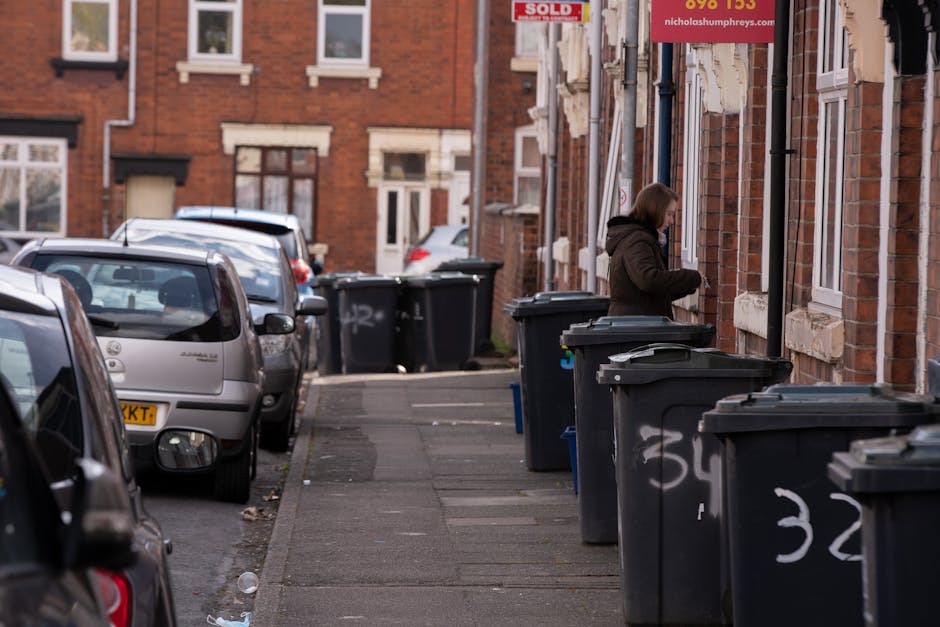
If you live in Blackheath Village, rubbish removal can feel oddly complicated for something that sounds simple. One minute it is a cracked wardrobe in the hallway, the next it is a loft full of old boxes, a soggy mattress, and a bag of bits you keep meaning to sort out. This Rubbish removal guide for Blackheath Village homes is here to make the whole thing easier, calmer, and a bit more sensible.
Whether you are clearing a flat near the village centre, tidying up after decorating, or dealing with a bigger household clear-out, the best approach is usually the one that saves time without cutting corners. In a place like Blackheath Village, where homes range from compact apartments to larger period properties, access, parking, stairs, and neighbours can all shape what works best. Let's face it, that is where most people get stuck.
This guide covers how rubbish removal works, what to think about before you book anything, which items need special handling, and how to avoid the common mistakes that turn a quick job into a messy weekend. You will also find a checklist, a comparison table, and a practical example so you can plan the job with confidence.
- Why rubbish removal matters in Blackheath Village homes
- How rubbish removal works
- Key benefits and practical advantages
- Who this is for and when it makes sense
- Step-by-step guidance
- Expert tips for better results
- Common mistakes to avoid
- Tools, resources and recommendations
- Law, compliance, standards, or best practice
- Options, methods, or comparison table
- Case study or real-world example
- Practical checklist
- Conclusion
- Frequently asked questions
Why Rubbish removal guide for Blackheath Village homes Matters
Rubbish removal matters because home clutter has a habit of spreading. A bag left by the back door becomes three bags. A broken table leans in the corner for weeks. Suddenly the spare room is no longer spare. In Blackheath Village, where space is often at a premium, that extra bulk can start affecting how you use your home every day.
There is also the practical side. Large items are awkward, heavy, and sometimes unsafe to move without the right preparation. Old furniture, appliances, renovation waste, garden cuttings, and mixed household junk are not just eyesores; they can create trip hazards, block exits, and attract damp or pests if left too long. To be fair, nobody wants a hallway that feels like a storage unit with a front door.
Another reason it matters is timing. Many household clear-outs happen when people are already under pressure: moving house, welcoming a baby, preparing for guests, dealing with a bereavement, or finishing work on a property. The job is not just about removal. It is about reducing stress at exactly the point where you probably do not need extra stress.
Good rubbish removal also supports better sorting and recycling. If items are separated sensibly, it is easier for them to be reused, recycled, or handled properly. That is why a thoughtful approach usually beats the "throw it all in a pile and hope" method. Not glamorous, but effective.
How Rubbish removal guide for Blackheath Village homes Works
At its simplest, domestic rubbish removal follows a basic pattern: identify what needs to go, decide how urgently it needs removing, and choose the right method for the type and amount of waste. The details matter, though, because one house clear-out is not the same as a single sofa collection.
Most home rubbish removal jobs in Blackheath Village fall into one of these categories:
- General household rubbish such as bagged waste, broken household items, and mixed clutter.
- Furniture removal like sofas, wardrobes, tables, beds, and chairs.
- Room clearances for lofts, garages, spare rooms, and cupboards.
- Special items including fridges, appliances, mattresses, or potentially hazardous materials.
- Post-project waste from decorating, DIY, or garden work.
From a homeowner's point of view, the workflow usually looks like this:
- List what needs removing, including approximate size and quantity.
- Check whether any items need special handling.
- Decide whether you want help with lifting, loading, and disposal.
- Confirm access details, such as staircases, parking, and narrow entrances.
- Arrange a suitable collection time.
- Prepare the items so the team can remove them efficiently.
If you are comparing a few options, it can help to look at the broader waste removal approach first, then narrow it down to your exact household needs. That is usually where the plan becomes clearer.
The biggest hidden variable in Blackheath Village is access. A top-floor flat with a tight stairwell is a very different job from a driveway collection. If you plan ahead on access, you save time later. Simple, but people forget it all the time.
Key Benefits and Practical Advantages
There are obvious benefits to rubbish removal, and a few less obvious ones too. The first is space. Once the clutter goes, rooms start breathing again. Light gets in. You can open doors properly. The place feels more like a home and less like a "temporary holding area for forgotten things".
The second is safety. Heavy items, loose wires, damaged furniture, and stacked bags can cause accidents. If you have children, pets, older relatives, or just a busy household, removing the risky stuff quickly is a real advantage.
Another benefit is mental clarity. It sounds a bit soft until you experience it. A cleared room tends to feel more manageable, and that can make the next job easier, whether that is redecorating, listing a property, or finally sorting out the loft.
There is also a financial side. Clearing junk before a move or renovation can reduce delays and help you present the home properly. If a room is full of clutter, it is harder to judge how much work is really needed. A tidy space tells the truth, which is useful even when the truth is a little annoying.
For many homeowners, a professional collection is simply more efficient than trying to do multiple car trips yourself. You avoid lifting injuries, loading hassles, and the eternal question of where to put that one awkward item that does not fit anywhere. We have all had that moment.
Who This Is For and When It Makes Sense
This guide is relevant to a wide mix of Blackheath Village homes. It is not only for major clear-outs. Sometimes a small job is exactly the one that benefits most from a bit of structure.
You may need rubbish removal if you are:
- moving into or out of a flat or house
- clearing a loft, cellar, garage, or spare room
- replacing furniture or white goods
- renovating a kitchen, bathroom, or bedroom
- sorting out inherited belongings after a family change
- preparing a rental property for new tenants
- tidying garden waste after a big seasonal cut-back
If the job is mostly household clutter and mixed waste, a broad home clear-out service such as home clearance may be useful. If it is specifically a property-wide tidy, house clearance may fit better. For flats, the access and stair issue often makes flat clearance the more practical option.
There is no prize for doing it the hardest way possible. If the job is bigger than a bin run but smaller than a skip full, you are in that awkward middle zone where the right choice saves both time and money.
Step-by-Step Guidance
Here is a sensible way to tackle rubbish removal in a Blackheath Village home without getting overwhelmed halfway through.
1. Walk through the property slowly
Start room by room. Be honest about what is rubbish, what can be donated or reused, and what is just temporarily in the wrong place. A slow walkthrough takes ten minutes and can save an entire afternoon later. Open the cupboards too. The cupboard is always where the weird stuff hides.
2. Separate items into clear groups
Put things into rough categories: general waste, bulky furniture, electrical items, garden waste, renovation debris, and anything questionable. This makes it easier to spot items that need special handling, such as appliances or potentially hazardous waste.
3. Measure the problem, not just the pile
People often underestimate volume. One dismantled wardrobe looks modest until it is lying across the landing. Think in terms of bags, boxes, and bulky pieces, not just "a few bits". If you are unsure, take note of the item dimensions and the access route.
4. Check the awkward items first
Heavy, sharp, dirty, or fragile items should be identified early. Fridges, freezers, mattresses, broken furniture, and old appliances can affect collection planning. If you have those, it is worth looking at specific services like fridge and appliance removal or mattress and sofa disposal.
5. Think through access and parking
Blackheath Village streets can be busy, and not every home has easy loading space. Note whether the collection needs to happen from the front, rear, basement, or several floors up. A clear access note can prevent the kind of delay that turns a 20-minute collection into a very long morning.
6. Prepare the home
Move smaller loose items into one area if possible, but do not create unsafe stacks. Keep walkways open. If the item needs dismantling, only do that if you are confident and have the right tools. If not, leave it assembled and mention it upfront.
7. Book with the right service for the waste type
For DIY waste, decorating debris, or heavier material after works, a specialist service like builders waste clearance may be more suitable than general household removal. For garden jobs, garden clearance is usually the better match.
8. Confirm what should happen after collection
Ask how the waste will be sorted, whether reusable items are separated, and whether certain materials need to be declared in advance. It is a small question, but a useful one. The best providers make this bit straightforward.
Expert Tips for Better Results
In our experience, the smoothest rubbish removal jobs are the ones where the homeowner gives slightly more information than they think is necessary. That extra detail often pays off.
- Take photos before booking. A few clear pictures of the items and access points can be more helpful than a long explanation.
- Keep hazardous items separate. Paints, solvents, chemicals, and similar materials should not be mixed with normal household rubbish.
- Label items you definitely want removed. A small sticky note can prevent confusion if other family members are sorting too.
- Book earlier in the day if access is tight. Morning collections can be easier when parking and building access are less pressured.
- Use the removal as a sorting moment. If you are already clearing a room, decide what is staying and what is going while you have the chance.
If you are dealing with furniture, it may help to review options for furniture clearance or furniture disposal depending on whether the pieces are reusable, broken, or simply too awkward to keep.
One small but valuable tip: if you have a loft full of mixed items, do not start by dragging everything downstairs. Sort in place first. It is less dramatic, less sweaty, and less likely to end with a bruised elbow. Not a glamorous piece of advice, but a true one.
Common Mistakes to Avoid
Most rubbish removal problems are avoidable. The common failures are usually planning errors, not bad luck.
- Underestimating the volume. A few bags can become a van load once loose items and bulky pieces are included.
- Forgetting special items. Appliances, mattresses, and heavy furniture need to be mentioned in advance.
- Blocking access paths. Piles placed in doorways, hallways, or stairwells slow everything down and can be unsafe.
- Mixing normal waste with risky materials. This causes sorting delays and may mean some items cannot be handled with the rest.
- Leaving decisions until collection day. Nobody enjoys standing over a pile asking, "Do we keep the old chair or not?"
- Ignoring building rules. Some flats and managed properties have access or timing requirements that need to be respected.
Another mistake is assuming all clearances are the same. A garage with a few boxes is not the same as a packed loft with low beams and dusty insulation. Different spaces call for different planning. Obvious, perhaps, but easy to forget when you are in the middle of it.
Tools, Resources and Recommendations
You do not need a lot of gear for a successful home rubbish removal, but a few practical items make the process smoother.
- Strong bags or boxes for loose waste and small items
- Work gloves for sharp or dirty materials
- Tape and labels for categorising piles
- A torch for lofts, cupboards, or dark corners
- Measuring tape for bulky furniture and access points
- Basic screwdriver or wrench if items need careful dismantling
For some homes, it also helps to use a short planning note on paper or your phone. Write down: room, item, size, and any special concern. Very unsexy, very effective.
If your clear-out includes documents or personal paperwork, confidential disposal should be treated separately. A service such as confidential shredding can be appropriate where private papers need careful handling.
For homeowners who are comparing service standards rather than just prices, it is sensible to look at pages that explain insurance and safety, health and safety policy, and recycling and sustainability. Those pages can tell you a lot about how a provider thinks, which is often more useful than a glossy headline.
Law, Compliance, Standards, or Best Practice
For rubbish removal in the UK, the big idea is simple: waste should be handled responsibly, transferred to an appropriate carrier, and taken to a suitable facility. Homeowners do not need to become legal experts, but it is wise to choose a provider that takes compliance seriously.
At a practical level, that means checking that the company is transparent about what it collects, how it handles restricted items, and what happens to the waste after collection. If a provider is vague about this, that is usually not a great sign.
For Blackheath Village homes, best practice also means being careful with the following:
- Hazardous items such as chemicals, certain paints, fuels, and similar materials
- Electricals that may need separate treatment
- Large upholstered items that are bulky and difficult to move
- Personal data on documents, devices, and labels
- Shared access in flats, terraces, and managed buildings
If you are unsure whether an item is suitable for general removal, ask before collection. That sounds obvious, but it prevents the awkward moment when a van arrives and one item cannot legally or safely go with the rest.
It is also sensible to review terms and payment details before booking. A clear provider should be comfortable explaining terms and conditions and payment and security in plain language.
Options, Methods, or Comparison Table
There is no single best method for every home. The right choice depends on the amount of waste, the type of waste, and how much lifting or sorting you want to do yourself.
| Method | Best for | Pros | Things to watch |
|---|---|---|---|
| DIY car trips | Very small amounts of waste | Flexible, low upfront cost | Time-consuming, messy, physically tiring |
| Skip hire | Longer projects and mixed bulky waste | Useful for ongoing work | Space, permits, loading limits, and access issues |
| Professional rubbish removal | Bulky items, quick clear-outs, or awkward access | Fast, convenient, less lifting for you | Need to give accurate item details in advance |
| Specialist item removal | Appliances, mattresses, sofas, hazardous items | Better handling for specific waste types | Must match the right service to the item |
If you are trying to decide between a skip and a collection, the key question is this: do you want waste to sit on your property while you fill it, or do you want it gone in one visit? For a lot of Blackheath Village homes, especially flats and tighter streets, the second option is often much easier.
You can also check what can go in a skip if you are weighing up whether a skip-based approach is even suitable for your waste mix. That comparison alone can save a lot of guesswork.
Case Study or Real-World Example
Picture a typical Blackheath Village flat: one box room, one hallway cupboard, and a living room that has slowly become home to a dead printer, two broken dining chairs, a rolled-up rug, and three bags of misc bits from a recent move. Nothing dramatic. Just enough clutter to make the place feel smaller than it is.
The homeowner starts by sorting the obvious rubbish from items that might still be useful. The broken chairs go in one pile. Old paperwork is separated for shredding. The rug is checked for damp and damage. Then the access details are reviewed: one flight of stairs, no lift, and a narrow entrance. That changes the plan a little, but not in a bad way.
Instead of making several trips to a recycling centre, the homeowner arranges one collection, sets everything out neatly, and keeps the hallway clear. The job takes a short time, the flat feels bigger immediately, and the owner gets on with decorating the next day instead of spending the weekend wrestling with upholstery. A small win, but a real one.
This is the sort of scenario where people often realise the value is not just disposal. It is headspace. And time, of course. You get that back too.
Practical Checklist
Use this checklist before arranging rubbish removal for your Blackheath Village home.
- Walk through every room and note what needs to go
- Separate general rubbish from furniture, appliances, and special items
- Identify anything hazardous, fragile, or hard to lift
- Measure bulky items and check stairways, doors, and corners
- Confirm parking and access arrangements
- Decide whether you need loft clearance, garage clearance, or another targeted service
- Remove or separate personal documents where needed
- Keep walkways and exits open
- Ask how reusable or recyclable items are handled
- Check booking details, payment terms, and timing before the day arrives
Expert summary: the best rubbish removal jobs are usually the boring ones. Clear categories, good access info, and the right service choice make everything smoother. If you get those three things right, most of the stress just evaporates.
Get a free quote today and see how much you can save.
Conclusion
Rubbish removal for Blackheath Village homes is really about making your space usable again, without adding unnecessary hassle. Once you understand the type of waste, the access challenges, and the best method for the job, the whole process becomes much easier to manage.
That is the practical heart of it. Start with a clear sort, be honest about bulky or awkward items, and choose a collection option that suits your home rather than forcing your home to suit the collection. It is a simple idea, but a useful one.
If you are dealing with clutter right now, take it one room at a time. The job probably feels bigger than it is. Once the first pile is gone, the rest usually starts to look more manageable. Funny how that works.
And if you are stood in the middle of the room wondering where to begin, begin with the one thing you are definitely ready to let go of. That is often enough to get the whole thing moving.
Frequently Asked Questions
What is the best way to arrange rubbish removal for a Blackheath Village home?
The best way is to sort your items first, note any bulky or special pieces, check access and parking, and then choose a removal method that suits the amount and type of waste. For many homes, a direct collection is easier than doing several trips yourself.
Can I use rubbish removal for furniture as well as general household waste?
Yes. Furniture is one of the most common reasons people book clearance help. Sofas, wardrobes, beds, and tables can usually be handled, but it is useful to say exactly what you have, especially if items are heavy or need dismantling.
Do I need a separate service for fridges, freezers, or appliances?
Often, yes. Appliances can require specific handling, so it is best to mention them early. A targeted fridge and appliance removal service is usually the safest place to start for those items.
Is rubbish removal suitable for flats in Blackheath Village?
Absolutely, and in many cases it is the most practical option. Flats often have stairs, shared entrances, and tighter parking conditions, so a removal team that knows how to work with those constraints can save a lot of effort.
What should I do with a mattress or old sofa?
Mattresses and sofas are bulky and awkward, so they are best dealt with separately from ordinary bags of rubbish. If you need to clear one or both, a dedicated disposal service can make the job far simpler.
How do I know if something counts as hazardous waste?
If the item contains chemicals, fuels, solvents, or other materials that could be unsafe to move or dispose of with normal rubbish, treat it as potentially hazardous. If you are uncertain, ask before collection rather than guessing.
Can I put garden waste in with household rubbish?
Sometimes mixed waste can be collected, but garden waste is often easier to remove separately. Branches, soil, hedge cuttings, and old outdoor items can create their own sort of job, especially after a big tidy-up.
How long does a typical home rubbish removal take?
It depends on the amount of waste, the number of floors, and the access. A small job may be quick, while a larger house clearance or loft job takes longer. The more accurately you describe the waste beforehand, the easier it is to plan the visit.
Should I choose skip hire or rubbish removal?
If you want to load waste over time during a renovation, skip hire can make sense. If you want bulky items and mixed clutter gone in one go, rubbish removal is often the simpler choice. The best option depends on the space you have and how fast you want the area cleared.
What if I have confidential paperwork to get rid of?
Paperwork with personal or business data should not be thrown out carelessly. A confidential disposal option is the sensible route, especially if you are clearing old files, letters, or archived documents from a home office or loft.
How can I prepare my home before collection day?
Group items clearly, keep pathways open, separate anything hazardous, and make sure the access route is free of obstacles. If there are awkward items or tight stairs, mention that upfront so the collection can be planned properly.
What makes a good rubbish removal provider?
A good provider is clear about what they can take, transparent about safety and payment, and practical about access and timing. They should make the process feel straightforward, not vague or rushed. If you want to learn more about the business behind the service, about us is a useful place to start.
How do I get a quote for my rubbish removal?
Give a simple description of the items, the approximate volume, and the access details. Photos help a lot. If you are ready to move forward, the easiest next step is to check pricing and quotes or use book online if you prefer a quicker route.
Who should I contact if I have a question before booking?
If you need clarification on what can be collected, access, timing, or special items, use the site's contact option before arranging anything. A quick question early on can save a lot of back-and-forth later.
If you are sorting a Blackheath Village home right now, keep it simple: sort, separate, and schedule. That steady approach tends to work best, and it leaves you with a home that feels lighter, calmer, and a lot more liveable.