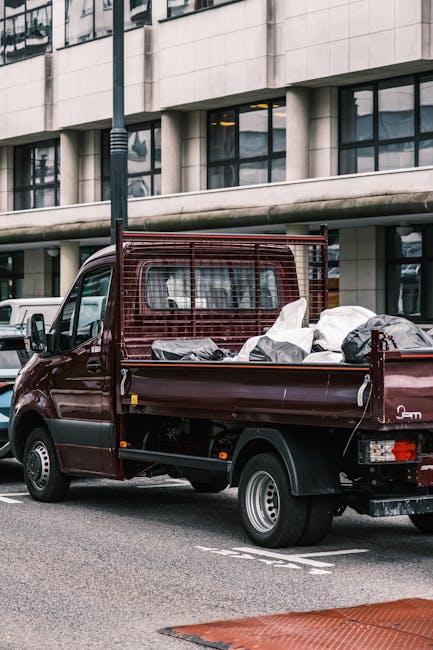
Montpelier Vale Clearance Guide: Small Vans for Local Rubbish
If you are dealing with a pile of local rubbish in Montpelier Vale, the chances are you want it gone quickly, neatly, and without turning your day upside down. That is exactly where a Montpelier Vale clearance guide small vans for local rubbish approach makes sense: it is practical for tighter streets, easier for awkward access, and often better suited to smaller household and business jobs than a larger vehicle.
In this guide, we will break down how small van clearance usually works, what it is best for, where it can save time and hassle, and what to check before you book. We will also cover common mistakes, compliance points, and a simple checklist you can use before anything is lifted. Truth be told, the difference between a smooth clearance and a frustrating one is often just a bit of planning.
Table of Contents
- Why Montpelier Vale clearance guide small vans for local rubbish Matters
- How Montpelier Vale clearance guide small vans for local rubbish Works
- Key Benefits and Practical Advantages
- Who This Is For and When It Makes Sense
- Step-by-Step Guidance
- Expert Tips for Better Results
- Common Mistakes to Avoid
- Tools, Resources and Recommendations
- Law, Compliance, Standards, or Best Practice
- Options, Methods, or Comparison Table
- Case Study or Real-World Example
- Practical Checklist
- Conclusion
- Frequently Asked Questions
Why Montpelier Vale clearance guide small vans for local rubbish Matters
Montpelier Vale is the sort of place where access can matter just as much as volume. Narrow residential roads, parked cars, short driveways, shared entrances, and time-sensitive removals all change what "good clearance" looks like. A small van is often the sensible middle ground: big enough to take away a meaningful amount of rubbish, but compact enough to handle local collection points without drama.
This matters because local rubbish is rarely just "rubbish". It can be a couple of broken chairs, a pile of boxed-up clutter, a stripped wardrobe, some bagged general waste, a few garden bits, or mixed household items that need separating. If you only need a partial load cleared, sending out something oversized can be wasteful. On the other hand, turning up in a van that is too small can mean repeat trips, extra labour, and more stress. Nobody wants that on a wet Tuesday when the hallway already looks like a jumble sale.
There is also a wider practical angle. Many people want a fast tidy-up before a move, tenancy handover, renovation, or family visit. In those moments, a small-van clearance feels less like a logistics exercise and more like getting your home or premises back under control. Small jobs still deserve a proper system.
How Montpelier Vale clearance guide small vans for local rubbish Works
The basic process is straightforward, but the detail matters. A small van clearance usually starts with a description of what needs removing, followed by an estimate of volume, access, and any items needing special handling. In some cases, a provider may ask for photos so they can judge whether the load will fit in one vehicle or needs a second trip.
Once booked, the team arrives, assesses the items, and loads them safely. The right small-van setup depends on the job. For example, a few bulky items may fill the van quickly even if they look modest on the floor. A lightweight pile of bags may look large but compress well. That is why volume and shape matter together.
Here is the key thing: a good clearance is not just about taking things away. It is about sorting as you go, keeping access clear, protecting walls and floors where needed, and separating reusable or recyclable material where possible. If you are looking for a broader overview of professional collection options, the waste removal service page is a useful starting point, while the recycling and sustainability page explains the value of diverting usable material away from disposal.
Small vans also suit the reality of local rubbish in built-up neighbourhoods. They are easier to park, simpler to manoeuvre, and often less disruptive on busy roads. That can make a huge difference when access is tight and you do not want half the street watching a large lorry try a three-point turn. A tiny bit funny, but not when you are the one waiting.
Key Benefits and Practical Advantages
The main advantage of using a small van for local rubbish is flexibility. But there are a few more benefits worth spelling out clearly.
- Better access: small vans can usually get closer to the property, which reduces carrying distance and speeds up the job.
- Less disruption: they are easier to position on streets with limited parking or awkward turning space.
- Right-sized for smaller jobs: if you only have a partial load, you avoid paying for unnecessary capacity.
- Faster collections: smaller clearances can often be completed in one visit with less back-and-forth.
- More careful handling: tight access often encourages a more measured, organised loading approach.
- Suitable for mixed waste: useful when the load includes a combination of bagged waste, furniture, and loose household items.
There is another practical advantage people forget: a small van often encourages better preparation. When you know capacity is limited, you sort earlier, stack smarter, and decide what genuinely needs to go. That in itself saves time.
If your rubbish includes old furniture, it may be worth reviewing the service details for furniture disposal or furniture clearance, especially if the load includes items that are heavy, awkward, or awkwardly shaped. For appliances, the fridge and appliance removal information is useful because these items are often treated differently from general rubbish.
Who This Is For and When It Makes Sense
This approach is ideal for people who do not need a full-scale clearance but still want the job done properly. It suits homes, flats, small offices, garages, and occasional light commercial jobs where access is better served by a smaller vehicle.
Typical examples include:
- a few bags of general rubbish after a declutter
- old furniture from one room or one floor
- garage or shed contents that have built up over time
- small renovation debris from one area rather than a whole building
- garden waste after a tidy-up, assuming it is non-hazardous
- office tidy-outs with broken chairs, boxes, and archive clutter
It can also make sense if you are in a flat or a property with awkward access. Small vans can be the difference between a clean job and one that becomes a mini expedition through stairwells, side alleys, and a very narrow gap between bins and a wall. Been there, seen that, moved on.
If your situation is more household-wide, the home clearance and house clearance pages may be more relevant. For flats specifically, the flat clearance service is worth considering. And if you are clearing an office rather than a home, the office clearance option is usually the better fit.
Step-by-Step Guidance
Here is a simple, practical way to handle a small-van rubbish clearance without overthinking it.
1. Sort the load by type
Start by grouping items into bags, furniture, cardboard, metal, green waste, appliances, and anything potentially hazardous. This makes it easier to estimate the job and reduces the chance of awkward surprises on the day.
2. Separate what stays from what goes
It sounds obvious, but people often forget one key item until the last minute. If you are clearing a room, mark anything you want to keep and move it well out of the way. Tape or labels can help if several people are involved.
3. Check access carefully
Measure gates, hallways, stair turns, and parking space if needed. A small van can help a lot, but the team still needs a workable route from the property to the vehicle.
4. Flag special items early
If the load includes a fridge, freezer, mattress, sofa, confidential paperwork, or anything that might require separate handling, say so before collection. That keeps the quote realistic and avoids delays.
5. Get a clear estimate
Ask how the provider calculates the job: by volume, item count, loading time, or a combination. Clear pricing matters more than a flashy headline. If you want to compare pricing styles, the pricing and quotes page is a sensible place to look.
6. Prepare the items on the day
Put rubbish where it can be lifted easily and safely. If you can stack bags in one area and keep heavy items accessible, the loading process usually goes much faster.
7. Walk through the cleared area afterwards
Once the van has gone, do a quick check for missed items, loose screws, or bits hidden under larger pieces. A five-minute check can save a second call-out later. Not glamorous, but worthwhile.
Expert Tips for Better Results
A few small decisions can make a surprising difference.
First, think in layers. Many clearances look small from one angle and huge from another. A stack of light items can consume van space faster than expected. Break down cardboard and flat-pack furniture where possible. It is one of those unexciting jobs that saves real money.
Second, keep recyclable materials together. If a load contains metal, cardboard, clean wood, or reusable items, it is easier to sort when those things are grouped clearly. That does not mean every item must be sorted in advance, but a bit of order helps.
Third, do not hide the awkward stuff. If there is a heavy wardrobe, cracked mirror, damp garden waste, or appliance with awkward dimensions, mention it up front. You are not being difficult. You are helping the job go smoothly.
Fourth, use the route that saves lifting. Sometimes the shortest route is not the safest route. If a back entrance, side passage, or driveway gives better access, point it out. A few extra metres of walking can be fine; repeated squeezes through a tight doorway, less so.
Fifth, match the service to the waste type. Garden mess, building debris, and domestic clutter all behave differently when loaded. If you are dealing with post-work materials, the builders waste clearance service may be more suitable. For outdoor tidy-ups, garden clearance is the better match.
Expert summary: the best small-van clearance is usually the one that is planned before the van arrives. Good access, clear item descriptions, and a realistic volume estimate are what make the whole thing feel easy.
Common Mistakes to Avoid
Let's be honest, most clearance problems are avoidable.
- Underestimating volume: a couple of bulky items can take more room than a dozen smaller bags.
- Leaving sorting until collection day: that tends to slow everything down and create confusion.
- Forgetting restricted items: some waste needs special handling, especially anything hazardous or electrical.
- Booking the wrong service: a garage job, loft job, or office tidy-up may need a different approach from a general rubbish clearance.
- Poor access planning: if the van cannot get near the property, the lift time and complexity increase fast.
- Assuming all rubbish is the same: mixed waste can involve different disposal routes and treatment requirements.
One surprisingly common mistake is expecting a small van to do the work of a full clearance truck. It can do a lot, yes, but only if the job fits the vehicle. Otherwise, you are forcing the wrong tool into the wrong job. That never ends well.
Tools, Resources and Recommendations
You do not need a van full of fancy kit to organise a local clearance, but a few practical tools help.
- Strong bin bags or rubble sacks: useful for mixed household waste and lighter bulky items.
- Box cutter or screwdriver: handy for flattening cardboard or dismantling simple furniture.
- Gloves: basic, comfortable gloves help with sharp edges and dusty items.
- Tape and labels: helpful if you are separating keep, donate, recycle, and remove piles.
- Camera or phone photos: very useful for getting a fair estimate before collection.
For people who want to know how waste is typically classified or what can be bundled together, the page on what can go in a skip is a helpful reference point, even if you are not hiring a skip itself. It gives a good sense of how mixed waste is usually approached.
And if the job is sensitive, such as clearing paperwork or items with private information, confidential shredding is the safer route than tossing documents into general waste. That one matters more than people think.
Law, Compliance, Standards, or Best Practice
Waste removal in the UK comes with responsibilities, even for small local clearances. The main point for readers is simple: use a provider that handles waste properly, documents what is collected where appropriate, and follows accepted disposal and recycling practice. You do not need to become a compliance expert, but you should expect the basics to be done properly.
There are a few sensible best-practice checks you can make:
- Ask how waste is handled after collection. Mixed rubbish should not simply disappear into a mystery.
- Check that restricted items are identified before booking. Fridges, mattresses, electricals, and certain chemical products may need different treatment.
- Keep hazardous waste separate. If you suspect something is hazardous, do not mix it into a general load. The hazardous waste disposal page is the right place to review that type of item.
- Follow property and access rules. If you are in a shared building, make sure you are allowed to place items in the agreed pickup area.
- Protect the building and people involved. Safe lifting, sensible routes, and clear communication are part of good practice, not an optional extra.
For businesses, the standards can be a bit stricter in practice because records, duty of care, and regular collection rhythms matter more. If your rubbish is connected to a workplace or commercial unit, the business waste removal service will usually be the more suitable option.
You may also want to review the company's approach to insurance and safety and its health and safety policy. That is not just box-ticking. It tells you whether the operator treats access, lifting, and liability seriously.
Options, Methods, or Comparison Table
If you are deciding between a small van clearance and other rubbish removal options, this table should help.
| Option | Best for | Strengths | Limitations |
|---|---|---|---|
| Small van clearance | Local, moderate, or access-limited rubbish loads | Flexible, easier to park, good for tight streets | Limited capacity for very large clearances |
| Full property clearance | Whole-home, large flat, or major declutter jobs | Covers more volume in one go | Can be excessive for smaller loads |
| Furniture-specific removal | Single items or bulky pieces | Well suited to sofas, wardrobes, tables | Not ideal if the load is varied and mixed |
| Builders waste clearance | Renovation or trade debris | Handles heavier, messier materials better | May not suit domestic mixed rubbish |
There is no single "best" method for every job. The right choice depends on access, load size, item type, and how quickly you want the space cleared. If you are clearing a mixed room with furniture and general rubbish together, a flexible clearance option usually beats trying to split the job into pieces.
Case Study or Real-World Example
Picture a small terraced property near Montpelier Vale after a long winter clear-out. In the front room: a broken armchair, two bags of old textiles, a flat-packed shelf, cardboard from a recent purchase, and a small stack of odds and ends from the cupboard under the stairs. Nothing massive, but enough to get annoying each time you walk past it.
A small van makes sense here because it can stop close to the property, the items do not justify a large vehicle, and the team can load efficiently without blocking the street for long. The homeowner sorts the items into bags and loose piles before collection, flags the shelf and chair in advance, and keeps a clear path from the hall to the door. Simple, really.
The result is a tidy one-visit clearance with less fuss than trying to overpack a bigger service. The homeowner also avoids leaving random bits behind because the sorting happened before the van arrived. That tiny bit of prep saved the day. It often does.
In a different scenario, a small local office may have a few broken chairs, archive boxes, and an old appliance in a storage corner. The needs are similar, but the context is different. That is where a more business-focused route, such as office clearance, can be the cleaner solution.
Practical Checklist
Use this checklist before your collection day.
- List every item that needs removing.
- Group rubbish by type where possible.
- Separate anything you want to keep.
- Check access routes, stairs, gates, and parking space.
- Take photos if you need a realistic estimate.
- Flag furniture, appliances, or special items early.
- Keep hazardous items out of the mixed load.
- Make sure the collection point is clear and safe.
- Ask how pricing is calculated.
- Confirm the expected arrival window.
- Do a final sweep after the clearance is complete.
For larger household jobs, you might also compare this with a broader service such as loft clearance or garage clearance. Those spaces have a habit of storing more than anyone expects. Always.
Conclusion
A small-van approach to local rubbish in Montpelier Vale is often the smartest way to handle a modest but messy clearance. It suits tighter access, keeps the job manageable, and gives you a practical middle route between doing it yourself and overbooking a vehicle that is too large for the task.
The real win is not just removal. It is confidence. Confidence that the rubbish will be handled properly, the space will be left clear, and the process will not drag on longer than it should. If you plan the load, flag special items, and choose the right service for the waste type, the rest becomes much easier. A bit of calm planning goes a long way.
Get a free quote today and see how much you can save.
And if you are comparing providers, take a moment to learn more about the team behind the service before you book. That little bit of reassurance can make all the difference when you are handing over the last of the clutter and finally watching the space open up again.
Frequently Asked Questions
What does a small van rubbish clearance usually include?
It usually covers a modest volume of mixed rubbish, such as bags, a few furniture items, cardboard, or light household clutter. The exact scope depends on access and the type of waste.
Is a small van enough for bulky items?
Sometimes, yes. A couple of bulky items can fit well if the load is planned properly. But one or two large wardrobes, sofas, or appliances can fill a van quickly, so it is best to check first.
How do I know if my rubbish is too much for one van?
If the pile is spreading across multiple rooms, or if several items are large and rigid, it may be more than one small van load. Photos are often the easiest way to judge.
Can I mix furniture and bagged rubbish together?
Yes, in many cases you can, as long as the waste type is suitable for the service and nothing restricted is included. Mixed loads are common, especially in home clear-outs.
What should I do with fridges, freezers, or other appliances?
These items should be flagged separately because they often need special handling. The safest approach is to mention them when booking and review the appliance-specific service details first.
Is small-van clearance good for flats in Montpelier Vale?
Yes, often it is. Smaller vehicles are usually easier to manage where parking is tight, access is limited, or items need to be carried through shared entry points.
How far in advance should I book?
For non-urgent jobs, a few days' notice is usually sensible. If you have a deadline such as a move-out or renovation handover, book earlier so you are not left scrambling.
What if I have some confidential paper or paperwork?
Do not put it in general rubbish if it contains sensitive information. Confidential shredding is a better option for documents that need secure handling.
Can I ask for recycling where possible?
Yes, and you should. A responsible operator will aim to sort and divert recyclable material where practical. It is one of the easiest ways to make the clearance feel better all round.
What happens if I forget to mention an item?
It depends on the item and the vehicle space available. Some forgotten items can still be added, but others may change the quote or require a different collection. It is best to mention everything up front, even the awkward bits.
Is it cheaper than a bigger clearance vehicle?
Often it can be, especially for smaller loads. You are not paying for space you do not need, which makes the pricing more efficient for modest clear-outs.
Where can I find more information before booking?
You can review the company's service pages, including pricing and quotes, recycling and sustainability, and the main waste removal page to understand the approach in more detail.